
Why anime characters become dramatically stronger after suffering major losses
True power demands a tax paid only in the currency of absolute ruin. A catastrophic defeat doesn't just break an anime character—it forces a total rewrite. Stri...
- Written by
- Wisdom
- Published
- Sep 24, 2026
- Read time
- 6 min
- Views
- 11



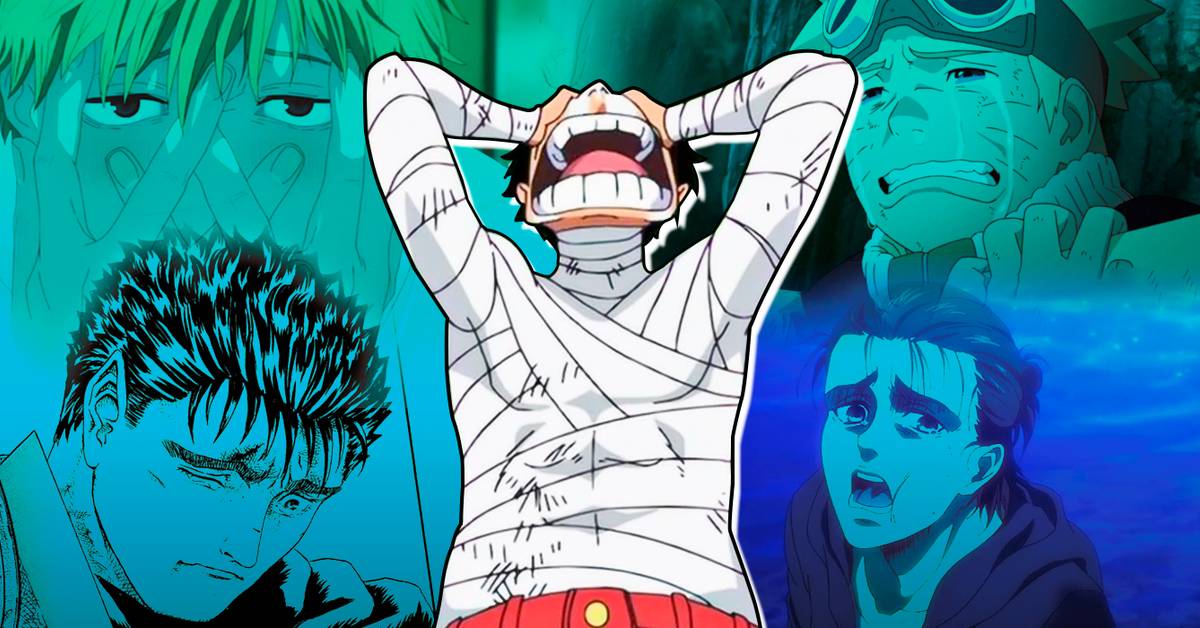
Why Losing Everything Often Creates an Anime’s Most Dangerous Character
In anime, some of the biggest power-ups do not begin with training.
They begin with loss.
A character can spend dozens of episodes struggling against stronger opponents, failing to protect the people around them and wondering whether they are capable of becoming stronger. Then something happens that changes their entire outlook.
Someone dies.
A home is destroyed.
A friend disappears.
A rival defeats them.
Or they finally realise that the person they wanted to protect has been placed in danger because they were not strong enough.
From that point, the character is no longer fighting for exactly the same reason.
And that change can completely transform how they fight.
Power-ups Are Often About More Than Strength
Anime frequently presents strength as something physical: better techniques, greater speed, stronger attacks or a new transformation.
But the most memorable power-ups usually come with a psychological change.
Before a major loss, a protagonist may fight because they want to win.
After that loss, they may fight because losing is no longer acceptable.
That difference matters.
A character who simply wants to become stronger can eventually become tired, distracted or discouraged. A character who believes that becoming stronger is necessary to protect someone can have an entirely different level of determination.
This is why some transformations feel much bigger than an ordinary upgrade.
The character has not only gained power.
Their reason for using that power has changed.
The Moment Everything Changes
One of the most effective storytelling techniques in battle anime is giving a character a moment where their previous approach to fighting stops working.
They may have relied on natural talent.
They may have trusted their teammates.
They may have believed that they could always find another way.
Then an opponent destroys that confidence.
The defeat forces the character to confront a painful truth:
They were not strong enough.
That realisation can become the foundation for their next stage of development.
Instead of simply asking, "How can I win?"
The character begins asking:
"How can I make sure this never happens again?"
That question creates a much stronger emotional connection between the character and their power.
Loss Can Remove Fear
Fear is one of the biggest limitations placed on anime characters.
A fighter may hesitate before using a dangerous technique because they are afraid of hurting themselves.
They may refuse to use their full power because they cannot control it.
They may even hold back because they are afraid of becoming like the villains they hate.
A major loss can change that.
When the character has already experienced the worst possible outcome, some of the fear that previously held them back disappears.
This does not necessarily mean they become fearless.
Instead, they decide that the risk is worth taking.
That is why some of the most intense battles happen immediately after a character has suffered an emotional defeat.
Their priorities have changed.
Revenge Can Make a Character More Dangerous
Revenge is another major reason characters become stronger after experiencing loss.
A character who was previously fighting to protect others may suddenly have one specific target.
That creates an extremely focused motivation.
Instead of trying to defeat every enemy, they only care about reaching the person responsible.
Anime has used this idea in countless different ways.
Sometimes revenge pushes a character toward incredible strength.
Sometimes it causes them to abandon their original principles.
And sometimes it becomes the beginning of their downfall.
That is what makes revenge-driven characters interesting.
The same emotion that gives them the determination to become stronger can also destroy the person they were trying to protect.
The Training After the Loss Matters
A major defeat rarely makes a character powerful instantly.
More often, the loss becomes the reason they finally take training seriously.
They might disappear for months.
They might seek out a stronger mentor.
They might learn a completely different fighting style.
They may return with better control over an ability they already possessed.
This is important because the emotional event creates the motivation, while the training provides the actual improvement.
The combination is what makes the eventual comeback satisfying.
The character has not simply been handed unlimited strength.
They have changed their behaviour because of what happened.
Some Characters Become Stronger by Accepting Their Weakness
Not every major power-up comes from anger.
Sometimes losing forces a character to admit that they were wrong.
A protagonist might believe that they can defeat an enemy alone.
A defeat proves otherwise.
Instead of becoming obsessed with revenge, they learn to trust their allies.
This can be just as important as learning a new technique.
The character becomes stronger because they stop trying to carry everything alone.
In many team-based anime, this is one of the most important stages of character development.
Strength becomes less about being the strongest person in the room and more about understanding how everyone's abilities work together.
Why These Moments Feel So Satisfying
A great power-up should feel earned.
If a character suddenly becomes ten times stronger without any explanation, the moment can feel empty.
But when the audience has watched that character fail, struggle, train and suffer, their eventual breakthrough carries much more weight.
The power-up becomes the result of everything that came before it.
That is why fans often remember the circumstances surrounding a transformation as much as the transformation itself.
They remember the defeat.
They remember who was lost.
They remember the promise that was made.
They remember the training.
And then they remember the moment when the character finally returned.
The Real Power-Up Is Often the Character's Mindset
Physical abilities are what we see on screen, but the biggest change may happen inside the character.
A weak fighter who refuses to give up can become more dangerous than a naturally gifted fighter who has never experienced failure.
A character who understands the consequences of losing may approach a battle completely differently from the person they were at the beginning of the story.
That is why anime repeatedly returns to the same idea:
Sometimes the character does not become powerful because they stopped suffering.
They become powerful because they survived it.
Why Anime Keeps Using This Storytelling Formula
The formula works because it connects action with emotion.
A battle is no longer simply about who has the stronger attack.
It becomes about everything the characters have experienced before they entered the battlefield.
When a character finally unleashes a new ability after suffering a major loss, the audience understands what that ability represents.
It represents determination.
It represents grief.
It represents growth.
And sometimes, it represents the character refusing to become the person their enemy wants them to be.
That is what makes a well-written anime power-up memorable.
The explosion may last only a few seconds.
The character development behind it can last an entire series.
Final Thought
The most dangerous version of an anime character is not always the one with the biggest transformation.
Sometimes it is the character who has finally discovered exactly what they are fighting for.
Loss can break a character.
It can also force them to grow.
And when that growth is combined with training, experience and determination, the result can completely change the balance of an entire story.
If you enjoy following major anime battles, transformations and character developments, keep exploring OtakuNaija and visit the Episodes page to catch up on the anime episodes behind the stories and characters you are reading about.
Get weekly anime drops, straight to your inbox.
New episodes, reviews, and recommendations every Sunday. No spam.
Related articles
 Guides
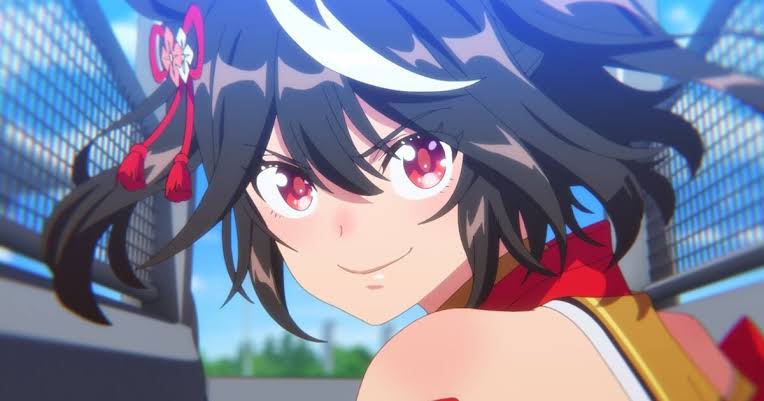
Umayuru Gets a New Anime This September
Unlike the more dramatic storytelling of Umamusume: Cinderella Gray, Umayuru Full Gate! will take a much more playful approach.
 Guides
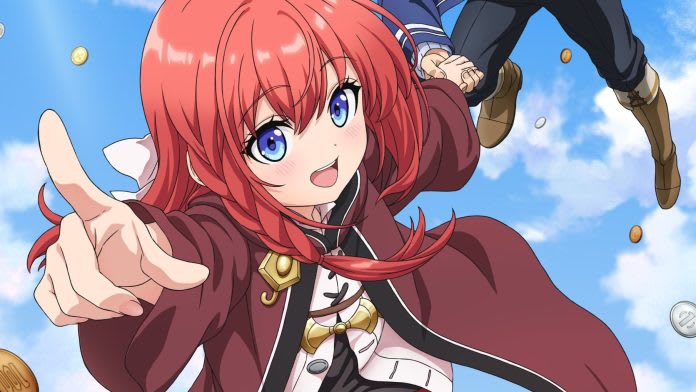
LV999 no Murabito Leads ABEMA's Summer 2026 Anime Ranking
ABEMA has revealed its mid-season Summer 2026 anime rankings, and LV999 no Murabito currently leads the playback chart while Mushoku Tensei III dominates the comments ranking.
 Guides
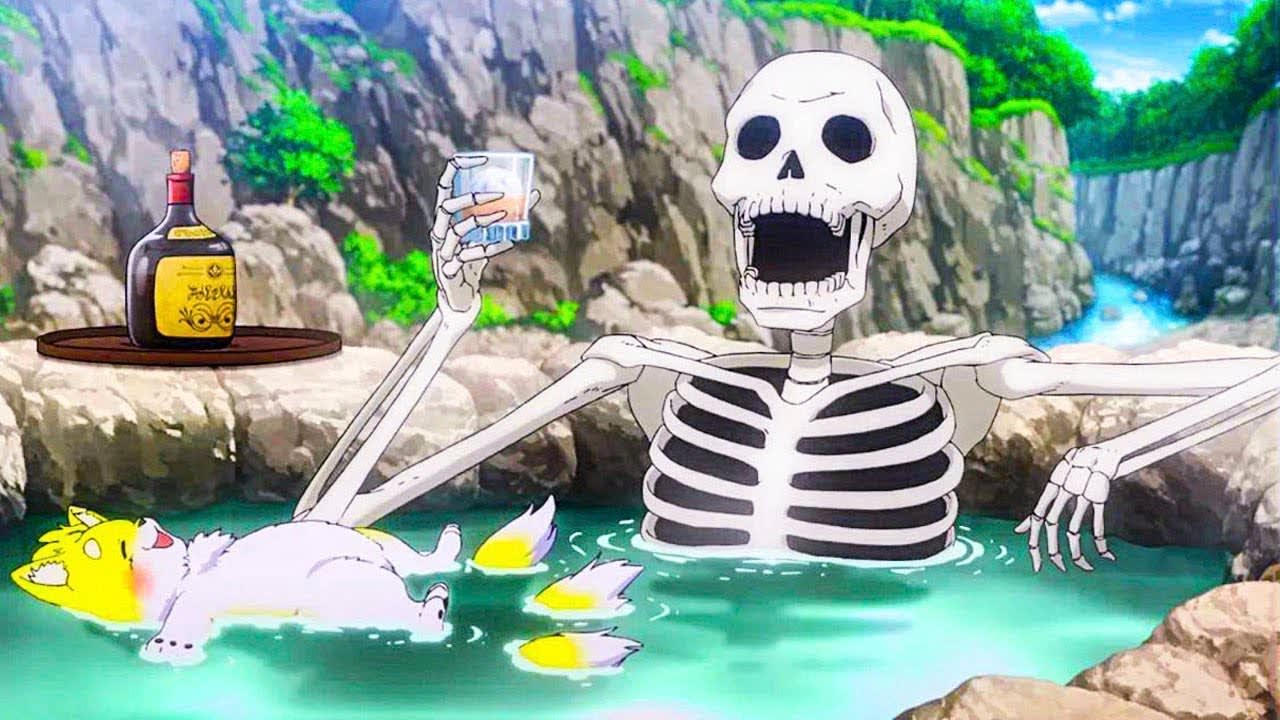
5 Anime Worth Watching Today, August 24
Monday's anime lineup has several strong choices, from the latest Skeleton Knight and Grand Blue Dreaming to a new romance and fantasy releases. Here are five worth checking out.