Weekly Shonen Jump Falls Below One Million Print Copies for the First Time in Its History
One of the biggest names in manga publishing has reached a historic milestone—but not the kind fans expected. Weekly Shonen Jump's average print circulation has...
- Written by
- OtakuNaija
- Published
- Aug 6, 2026
- Read time
- 11 min
- Views
- 17



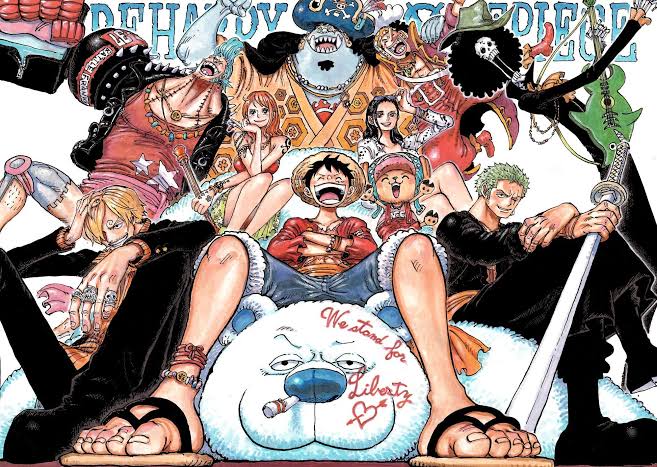
Every era eventually reaches a turning point. For Weekly Shonen Jump, one of the most influential manga magazines ever published, that moment has finally arrived.
According to the latest figures released by the Japan Magazine Publishers Association (JMPA), Weekly Shonen Jump's average print circulation has fallen below one million copies for the first time in the magazine's history. Between April and June 2026, the magazine averaged 985,000 printed copies, marking a symbolic milestone for both the publication and the manga industry as a whole.
While the number may initially sound alarming, the reality is far more complex than a simple decline in popularity.
In fact, this milestone says just as much about how people read manga today as it does about Weekly Shonen Jump itself.
A Magazine That Defined Generations
Since its debut in 1968, Weekly Shonen Jump has introduced readers to some of the biggest manga franchises ever created.
Over the decades, its pages have been home to legendary series including:
- One Piece
- Dragon Ball
- Naruto
- Bleach
- Demon Slayer
- My Hero Academia
- Jujutsu Kaisen
- Haikyu!!
- Dr. Stone
- Death Note
- Hunter × Hunter
Few publications have shaped global pop culture the way Weekly Shonen Jump has.
For many readers, buying Jump every week became a tradition rather than simply a purchase.
The Historic Number
The latest industry report shows that average print circulation dropped to approximately 985,000 copies during the April–June 2026 reporting period.
That officially places Weekly Shonen Jump below the one-million mark for the first time since circulation records have been tracked.
Although this represents a historic first, it is worth remembering just how extraordinary the magazine's earlier success was.
At its peak during the 1990s, Weekly Shonen Jump sold well over six million copies every week, making it one of the highest-selling comic magazines in history.
Very few publications in any country have ever achieved numbers on that scale.
Does This Mean Manga Is Declining?
Not necessarily.
If anything, the opposite may be true.
Today's manga audience increasingly reads digitally through services such as:
- Shonen Jump+
- Manga Plus
- official publisher apps
- digital bookstores
- subscription platforms
As more readers move online, physical magazine circulation naturally decreases.
That trend is happening across magazines, newspapers and books—not only in Japan but worldwide.
The JMPA report also notes that no Japanese magazine now averages more than one million print copies, showing that this is an industry-wide shift rather than a problem unique to Weekly Shonen Jump.
Digital Reading Is Changing Everything
The way fans consume manga today is dramatically different from even ten years ago.
Instead of waiting for printed magazines, readers can now access new chapters almost instantly on their phones, tablets or computers.
International fans also benefit from official simultaneous releases through services like MANGA Plus, allowing them to read new chapters legally on the same day they release in Japan.
That convenience has fundamentally changed reader habits.
Jump's Influence Hasn't Disappeared
Even if physical sales have declined, Weekly Shonen Jump remains one of the industry's most influential brands.
Many of today's biggest anime adaptations still originate from Jump series.
Whenever a new Jump title becomes popular, it often leads to:
- anime adaptations
- movies
- games
- merchandise
- novels
- worldwide streaming releases
In other words, the magazine continues to shape the anime industry even if fewer people are buying the printed edition.
A Different Kind of Success
For decades, success was measured almost entirely by printed circulation.
Today, publishers look at a much broader picture.
They also consider:
- digital readership
- app downloads
- online subscriptions
- international licensing
- streaming popularity
- merchandise sales
That means a magazine can remain enormously successful even if physical circulation decreases.
Weekly Shonen Jump is adapting alongside the rest of the publishing industry.
What This Means for Future Manga
Rather than representing the end of an era, this milestone may actually represent the beginning of another.
Publishers increasingly design new manga with global audiences in mind.
Digital platforms make it easier than ever for readers outside Japan to discover new series immediately after release.
That creates opportunities that simply did not exist twenty years ago.
The future of manga may involve fewer printed magazines—but potentially more readers overall.
OtakuNaija's Take
Seeing Weekly Shonen Jump fall below one million print copies is undeniably historic.
But history should not be mistaken for decline.
Readers have not stopped loving manga.
They have simply changed where and how they read it.
If anything, manga has never been more accessible to international audiences.
The printed magazine may no longer dominate as it once did, but the stories inside it continue to inspire anime, films, games and millions of fans around the world.
That legacy is far bigger than a circulation number.
Watch the Latest Anime Episodes on OtakuNaija
Whether you're following One Piece, Dandadan, Sakamoto Days, Kaiju No. 8, The Rising of the Shield Hero, or other seasonal hits, visit our Episodes page and start watching today.
Visit the Episodes PageAlongside the latest episodes, OtakuNaija keeps you updated with breaking anime news, manga announcements, industry analysis, release schedules and everything happening across the anime world.
Final Thoughts
Weekly Shonen Jump crossing below one million printed copies is a milestone that will undoubtedly be remembered.
However, it should be viewed as a reflection of changing reading habits rather than fading interest in manga.
The magazine that introduced generations to One Piece, Dragon Ball, Naruto, Bleach, and countless other classics remains one of the industry's most important publishers.
Its future may be increasingly digital, but its influence on anime and manga culture remains as powerful as ever.
Get weekly anime drops, straight to your inbox.
New episodes, reviews, and recommendations every Sunday. No spam.
Related articles
 Shonen
Gaban's Deadly One Second
Scopper Gaban takes centre stage as One Piece Episode 1179 puts the legendary Roger Pirates veteran against the Knights of God in Elbaph.
 Shonen
Kagurabachi Anime Takes Episode 1 to Comic Con Africa
Kagurabachi is bringing the first 20 minutes of its anime premiere to Johannesburg and Melbourne, giving international fans an early look at Chihiro's highly anticipated adaptation.
 Shonen
Hunter x Hunter Chapter 420 Arrives — But Chapter 421 Has No Date
Hunter x Hunter Chapter 420 is finally here, bringing the latest stretch of the Succession War to an end for now. The bigger surprise is that Shueisha has not announced when Chapter 421 will be published.