Mii-chan to Yamada-san Hasn't Even Aired Yet — And It's Already 2026's Most Controversial Anime
Before a single frame has aired, Mii-chan to Yamada-san has sparked a firestorm of backlash, petitions, and accusations of ableism. The series about a disabled...
- Written by
- OtakuNaija
- Published
- Aug 1, 2026
- Read time
- 8 min
- Views
- 33




The summer 2026 anime season is packed with heavyweights. Mushoku Tensei Season 3 is delivering emotional reunions. Re:ZERO Season 4 is back to break hearts. The Ribbon Hero is bringing a seventy-year-old legend back to life. And yet, the anime generating the most intense discussions right now hasn't even aired a single episode.
Mii-chan to Yamada-san — scheduled for a 2027 release — has become the center of a firestorm that threatens to define how the anime industry approaches disability representation for years to come. Within hours of its announcement, thousands of fans signed petitions calling for its cancellation. The backlash has been so severe that the production committee is now facing an impossible choice: proceed with a project that has already been branded as harmful, or cancel it and face accusations of censorship.
Stop scrolling — content warning. This article discusses depictions of disability, exploitation, and sexual content. If you have not been following this story, the internet is already flooded with passionate arguments from both sides. You need to understand the full picture before forming your opinion. Click the button below and start watching on OtakuNaija:
Watch the Latest Anime on OtakuNaija Episodes →
What Is Mii-chan to Yamada-san?
Mii-chan to Yamada-san follows the story of Yamada, a university student, and Mii-chan, a newly hired hostess at the establishment where Yamada works[reference:0]. Mii-chan is described as small, clumsy, barely able to read kanji, and completely incapable of reading social situations[reference:1]. The manga has been praised for its unflinching depiction of the Japanese nightlife industry — exploitation, dependency, violence, and the brutal realities that young women face in that world[reference:2].
The source material does not shy away from the darkest corners of its subject matter. It has been described as "one of the most raw, unflinching depictions of the Japanese nightlife industry" ever published[reference:3]. The appeal of the work lies precisely in its willingness to explore "gritty reality, reflecting the hidden corners of society instead of painting a rosy picture of life"[reference:4].
But it is the central character — Mii-chan herself — that has become the flashpoint of controversy.
The Heart of the Controversy
The backlash against Mii-chan to Yamada-san centers on how the series portrays disability[reference:5]. Critics argue that the series leans too heavily on shock value and spectacle rather than realistically and sensitively depicting the lives of people with disabilities[reference:6].
A petition calling for the anime's cancellation or reconsideration has gained thousands of signatures[reference:7]. The petition argues that the work may reinforce prejudices against people with intellectual disabilities or developmental characteristics, while also trivializing sexual exploitation and the suffering of victims[reference:8].
The core of the criticism is this: when a story about a disabled character working in the sex industry prioritizes shock over substance, does it risk becoming exploitative rather than illuminating? Does it give voice to a marginalized community, or does it use disability as a prop for edgy storytelling?
These are not easy questions. And the answers depend largely on execution — which is precisely why the controversy is so intense before anyone has actually seen the anime.
The Creator Responds
Nene Azuki, the manga's creator, has found herself at the center of the storm. On August 1, 2026, she issued a statement to address false accusations about her personal and professional life[reference:9]. She categorically denied claims that she had worked as a hostess, provided paid dating services, or recruited personnel for the adult entertainment industry[reference:10].
But the statement did little to quell the broader concerns about the work itself. The debate has moved beyond the creator's personal history and into the territory of artistic responsibility, representation, and the ethics of storytelling.
Two Sides of a Heated Debate
The controversy has split the anime community into two camps.
The Critics: Harmful Representation
Those calling for cancellation argue that the series risks causing real harm. They point to the history of media that has used disability as a narrative tool without genuinely engaging with the humanity of disabled people. When a character's disability becomes a source of shock value or a plot device, it can reinforce stereotypes and contribute to the marginalization of already vulnerable communities.
The petition's argument that the work "may reinforce prejudices against people with intellectual disabilities" is not theoretical[reference:11]. In a society where people with disabilities already face discrimination, media representation matters. When representation is handled poorly, it can have real-world consequences.
The Defenders: Unflinching Realism
Those defending the work argue that its power lies precisely in its refusal to sanitize difficult subjects. The manga has been praised for its gritty realism, its willingness to show the ugly truth of the nightlife industry rather than romanticizing it[reference:12]. Defenders argue that depicting exploitation is not the same as endorsing it — and that sometimes, the most powerful social commentary comes from showing things as they are, not as we wish them to be.
They also point to the double standard at play. Stories about able-bodied characters in difficult circumstances are celebrated for their realism. Why should stories about disabled characters be held to a different standard? Isn't it more respectful to show disabled characters as complex, flawed human beings navigating difficult situations rather than as pure, innocent figures who must be protected from any challenging content?
A Pattern of Controversy
The Mii-chan to Yamada-san debate is not happening in a vacuum. It is part of a broader pattern of controversies that have defined the anime industry in 2026.
Earlier this summer, Chainsmoker Cat sparked debates about addiction, trauma, and systemic oppression. The series about a catgirl addicted to cigarettes was dismissed by some as mere shock value, while others recognized it as one of the most brutally honest depictions of addiction in recent anime history[reference:13]. The series has continued to gain momentum as viewers discover the darker themes beneath the grotesque comedy[reference:14].
The Banana Fish AI dub controversy showed how quickly the community can mobilize against what it perceives as a threat to the art form[reference:15]. And the Detective Conan animation quality debate has raised questions about the increasing use of AI and digital processing in anime production[reference:16].
What these controversies share is a fundamental question: what are the boundaries of acceptable storytelling, and who gets to define them?
Why This Matters Beyond One Anime
The Mii-chan to Yamada-san controversy matters for reasons that extend far beyond a single series.
First, it represents a growing awareness of disability representation in anime. For decades, disabled characters have been rare in the medium, and when they have appeared, they have often been defined by their disability rather than their humanity. The fact that so many fans are willing to speak up about representation is a sign of progress, even if the debate itself is painful.
Second, it highlights the tension between artistic freedom and social responsibility. Creators have the right to tell difficult stories. But with that right comes a responsibility to consider the impact of those stories on real people. Where that balance lies is not always clear.
Third, it raises questions about how we engage with controversial content. Is it better to engage critically with difficult works, or to call for their cancellation? Does the act of watching a problematic series constitute endorsement, or can it be an act of critical engagement? These are questions that the anime community will continue to grapple with long after the Mii-chan to Yamada-san debate has faded.
What Happens Next?
The production committee has a difficult decision ahead. Proceeding with the anime risks validating accusations of insensitivity. Canceling it risks accusations of censorship and could set a precedent that limits artistic freedom.
The announcement that the anime is scheduled for a 2027 release suggests that the production is still moving forward[reference:17]. But the intensity of the backlash has already forced the conversation about disability representation into the mainstream of anime discourse.
Whether the series ultimately airs or not, the debate it has sparked will have lasting effects. Creators will think more carefully about how they depict disabled characters. Fans will be more willing to speak up about representation. And the industry as a whole will be forced to confront questions it has long avoided.
Join the Conversation Before the Debate Ends
Mii-chan to Yamada-san is shaping up to be one of the most important — and most controversial — anime announcements of the year. Regardless of whether the series ultimately airs, the conversations it has sparked about disability, representation, and artistic responsibility will continue.
Do not wait for the debate to die down. The discussions happening right now will shape how the anime industry approaches these issues for years to come.
Stay ahead of the curve by watching the latest episodes on OtakuNaija:
Watch the Latest Anime on OtakuNaija Episodes →
Final Thoughts
Mii-chan to Yamada-san has not aired a single episode, and it is already 2026's most controversial anime. The debate it has sparked touches on questions of representation, artistic freedom, and the ethics of storytelling that the anime industry has long avoided.
Is it possible to tell a story about a disabled character working in the sex industry without being exploitative? Can raw, unflinching realism coexist with responsible representation? And who gets to decide where the line between art and harm lies?
These are not easy questions. But they are questions that the anime community cannot afford to ignore.
Sound Off in the Comments
What do you think about the Mii-chan to Yamada-san controversy? Do you believe the series should be canceled, or do you think it deserves a chance to tell its story? What responsibility do creators have when depicting disability?
Let us know in the comments below.
Get weekly anime drops, straight to your inbox.
New episodes, reviews, and recommendations every Sunday. No spam.
Related articles
 Action
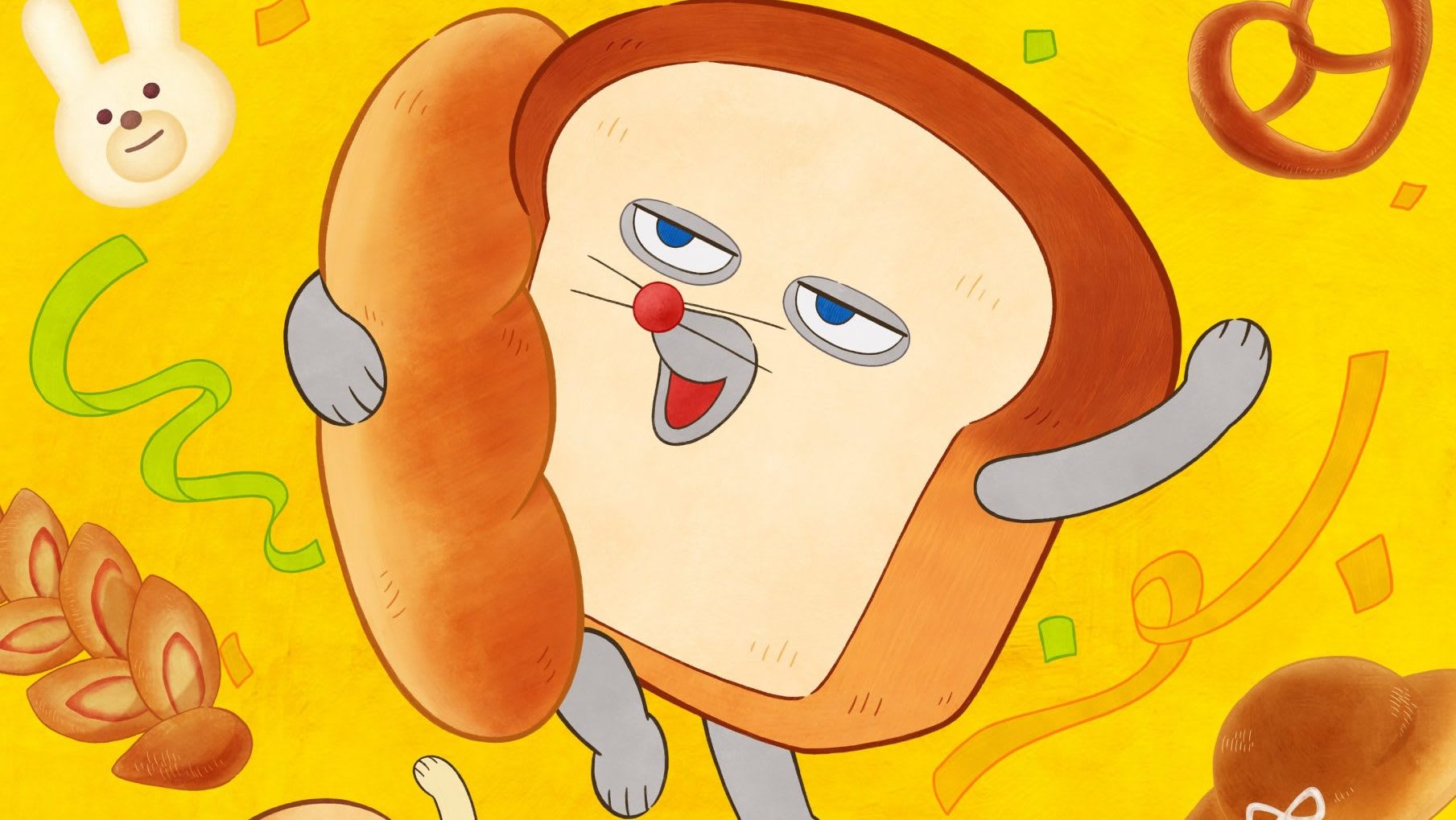
Pan Dorobo Reveals New Cast
Pan Dorobo has unveiled a new trailer, key visual and two additional cast members ahead of its October premiere.
 Action
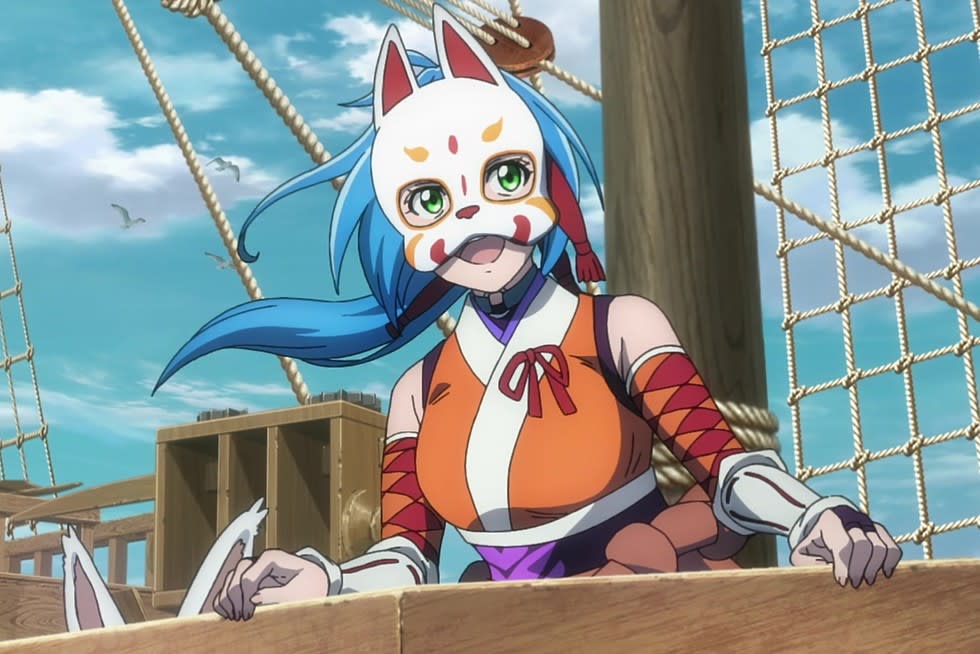
Shangri-La Frontier Season 3 Gets Date
Shangri-La Frontier Season 3 now has an official premiere date, with the next chapter of Sunraku's VR adventure arriving in January 2027.
 Action
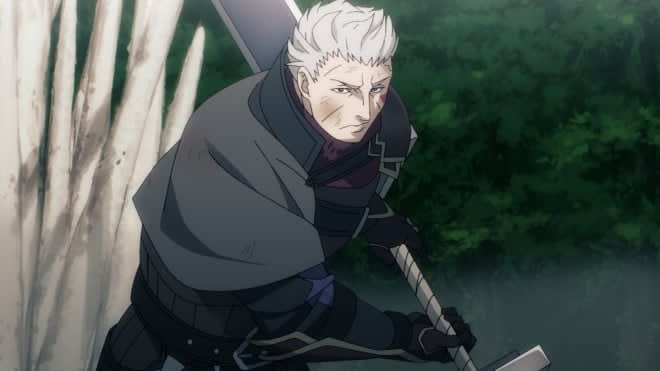
Witch and Mercenary Sets 2027 Premiere
The upcoming Witch and Mercenary anime has revealed its April 2027 premiere alongside a new trailer and fresh visuals.